Buy onlinepayment.be ?
We are moving the project
onlinepayment.be .
Are you interested in purchasing the domain
onlinepayment.be ?
domain@kv-gmbh.de · 0541-91531010
Buy onlinepayment.be ?
Which tenses exist in Swiss German that only have two tenses?
In Swiss German, there are two tenses that only have two forms: the present tense and the past tense. The present tense is used to talk about actions happening in the present, while the past tense is used to talk about actions that have already happened. Unlike in Standard German, there is no distinction between the simple past and the present perfect tense in Swiss German. **
Which tenses are related?
The tenses that are related in English are the simple present, simple past, and simple future tenses. These tenses are the basic forms of verb conjugation and are used to express actions or states that occur in the present, past, or future respectively. They are often used as building blocks for more complex tenses and can be combined with auxiliary verbs to convey different shades of meaning. Understanding the relationship between these tenses is essential for mastering English grammar. **


Similar search terms for Tenses
Top-Angebote
Products related to Tenses:
-
Paul Mitchell Flexible Hold Fast Drying Sculpting Hairspray laque cheveux pour donner du volume et de la brillance 250 mlPaul Mitchell Flexible Hold Fast Drying Sculpting Hairspray, 250 ml, Laques cheveux pour femme, La laque Paul Mitchell Flexible Hold Fast Drying Sculpting Hairspray apporte la touche finale à n’importe quelle coiffure et prolonge sa tenue. Quelle que soit sa complexité, elle la renforce et la fixe durablement, tout en assurant un contrôle maximal. Vous serez ainsi sûr(e) que chacune de vos mèches restera à sa place et sera protégée contre les aléas de la météo, tels que le vent et l’humidité. Le produit : permet de changer de coiffure au cours de la journée donne vitalité et brillance à vos cheveux fixation naturelle donne instantanément du volume à vos cheveux application facile et rapide Composition du produit : produit végétalien Mode d’emploi : Appliquez sur la coiffure terminée pour la perfectionner. Si l’embout se bouche, rincez-le sous un jet d’eau chaude.21,15 €*Shipping: 3,45 €Secure redirect to the provider
-
Paul Mitchell Flexible Hold Fast Drying Sculpting Hairspray laque cheveux pour donner du volume et de la brillance 75 mlPaul Mitchell Flexible Hold Fast Drying Sculpting Hairspray, 75 ml, Laques cheveux pour femme, La laque Paul Mitchell Flexible Hold Fast Drying Sculpting Hairspray apporte la touche finale à n’importe quelle coiffure et prolonge sa tenue. Quelle que soit sa complexité, elle la renforce et la fixe durablement, tout en assurant un contrôle maximal. Vous serez ainsi sûr(e) que chacune de vos mèches restera à sa place et sera protégée contre les aléas de la météo, tels que le vent et l’humidité. Le produit : permet de changer de coiffure au cours de la journée donne vitalité et brillance à vos cheveux fixation naturelle donne instantanément du volume à vos cheveux application facile et rapide Composition du produit : produit végétalien Mode d’emploi : Appliquez sur la coiffure terminée pour la perfectionner. Si l’embout se bouche, rincez-le sous un jet d’eau chaude.10,35 €*Shipping: 3,45 €Secure redirect to the provider


-
Which tenses are there in Swiss German that only have two tenses?
In Swiss German, there are two tenses that only have two forms: present and past. The present tense is used to describe actions happening in the present moment, while the past tense is used to talk about actions that have already occurred. These two tenses are commonly used in everyday conversations in Swiss German. **
-
Which tenses are there in Swiss German that have only two tenses?
In Swiss German, there are two tenses that have only two forms: the present tense and the past tense. The present tense is used to describe actions happening in the present moment, while the past tense is used to talk about actions that have already happened. Unlike Standard German, Swiss German does not have a separate future tense, so speakers use the present tense or auxiliary verbs to indicate future actions. **
-
Which tenses exist in Swiss German where there are only two tenses?
In Swiss German, the two tenses that exist are the present tense and the past tense. The present tense is used to describe actions that are currently happening or habitual actions, while the past tense is used to talk about actions that have already occurred. Swiss German does not have a separate future tense, as the present tense can also be used to express future actions. **
-
What are the English tenses?
The English language has 12 tenses, which are divided into three main categories: past, present, and future. Each category has four tenses: simple, continuous, perfect, and perfect continuous. The simple tenses refer to actions that are completed at a specific time, the continuous tenses refer to actions that are ongoing or in progress, the perfect tenses refer to actions that are completed before a specific time, and the perfect continuous tenses refer to actions that started in the past and are still ongoing. Understanding these tenses is essential for effective communication in English. **

What are the French tenses?
The French language has several tenses, including the present, past, and future tenses. The present tense is used to talk about actions happening in the present or habitual actions. The past tense is used to talk about completed actions in the past, and it has several forms such as the passé composé and the imparfait. The future tense is used to talk about actions that will happen in the future. Additionally, French has other tenses such as the conditional and the subjunctive, which are used to express hypothetical or uncertain actions. **
How can one recognize tenses?
One can recognize tenses by looking at the verb in a sentence and identifying the time frame in which the action is taking place. For example, if the verb ends in "-ed" it is likely in the past tense, while if it ends in "-ing" it is likely in the present continuous tense. Additionally, the use of helping verbs such as "will" or "has" can indicate future or present perfect tenses, respectively. Understanding the context of the sentence and the time frame being referred to can also help in recognizing tenses. **
Top-Angebote
Products related to Tenses:
-
Zopa Digital Thermometer with Flexible Tip thermomètre digital Koala 1 pcsZopa Digital Thermometer with Flexible Tip, 1 pcs, Thermomètres pour enfants pour enfant, Pour bien prendre soin de bébé, vous devriez toujours avoir le thermomètre pour bébé Zopa Digital Thermometer with Flexible Tip chez vous. Ce thermomètre vous aidera à déterminer facilement et rapidement la température de votre bébé Le produit : fonction d’arrêt automatique étanche signal sonore lorsque la mesure est terminée pointe souple signal sonore lorsque la température est élevée la température est mesurée en quelques secondes sans mercure Mode d’emploi : utilisation au niveau des aisselles ou par voie orale ou rectale.6,39 €*Shipping: 3,45 €Secure redirect to the provider
-
Paul Mitchell Flexible Hold Fast Drying Sculpting Hairspray laque cheveux pour donner du volume et de la brillance 250 mlPaul Mitchell Flexible Hold Fast Drying Sculpting Hairspray, 250 ml, Laques cheveux pour femme, La laque Paul Mitchell Flexible Hold Fast Drying Sculpting Hairspray apporte la touche finale à n’importe quelle coiffure et prolonge sa tenue. Quelle que soit sa complexité, elle la renforce et la fixe durablement, tout en assurant un contrôle maximal. Vous serez ainsi sûr(e) que chacune de vos mèches restera à sa place et sera protégée contre les aléas de la météo, tels que le vent et l’humidité. Le produit : permet de changer de coiffure au cours de la journée donne vitalité et brillance à vos cheveux fixation naturelle donne instantanément du volume à vos cheveux application facile et rapide Composition du produit : produit végétalien Mode d’emploi : Appliquez sur la coiffure terminée pour la perfectionner. Si l’embout se bouche, rincez-le sous un jet d’eau chaude.21,15 €*Shipping: 3,45 €Secure redirect to the provider
-
Which tenses exist in Swiss German that only have two tenses?
In Swiss German, there are two tenses that only have two forms: the present tense and the past tense. The present tense is used to talk about actions happening in the present, while the past tense is used to talk about actions that have already happened. Unlike in Standard German, there is no distinction between the simple past and the present perfect tense in Swiss German. **
-
Which tenses are related?
The tenses that are related in English are the simple present, simple past, and simple future tenses. These tenses are the basic forms of verb conjugation and are used to express actions or states that occur in the present, past, or future respectively. They are often used as building blocks for more complex tenses and can be combined with auxiliary verbs to convey different shades of meaning. Understanding the relationship between these tenses is essential for mastering English grammar. **
-
Which tenses are there in Swiss German that only have two tenses?
In Swiss German, there are two tenses that only have two forms: present and past. The present tense is used to describe actions happening in the present moment, while the past tense is used to talk about actions that have already occurred. These two tenses are commonly used in everyday conversations in Swiss German. **
-
Which tenses are there in Swiss German that have only two tenses?
In Swiss German, there are two tenses that have only two forms: the present tense and the past tense. The present tense is used to describe actions happening in the present moment, while the past tense is used to talk about actions that have already happened. Unlike Standard German, Swiss German does not have a separate future tense, so speakers use the present tense or auxiliary verbs to indicate future actions. **
Similar search terms for Tenses
-
Paul Mitchell Flexible Hold Fast Drying Sculpting Hairspray laque cheveux pour donner du volume et de la brillance 75 mlPaul Mitchell Flexible Hold Fast Drying Sculpting Hairspray, 75 ml, Laques cheveux pour femme, La laque Paul Mitchell Flexible Hold Fast Drying Sculpting Hairspray apporte la touche finale à n’importe quelle coiffure et prolonge sa tenue. Quelle que soit sa complexité, elle la renforce et la fixe durablement, tout en assurant un contrôle maximal. Vous serez ainsi sûr(e) que chacune de vos mèches restera à sa place et sera protégée contre les aléas de la météo, tels que le vent et l’humidité. Le produit : permet de changer de coiffure au cours de la journée donne vitalité et brillance à vos cheveux fixation naturelle donne instantanément du volume à vos cheveux application facile et rapide Composition du produit : produit végétalien Mode d’emploi : Appliquez sur la coiffure terminée pour la perfectionner. Si l’embout se bouche, rincez-le sous un jet d’eau chaude.10,35 €*Shipping: 3,45 €Secure redirect to the provider
-
IsaDora The High Impact Eyeliner 01 Reliable Black 1,7 mlIsaDora The High Impact Eyeliner 01 Reliable Black 1,7 ml biedt een hoogwaardige eyeliner die is ontworpen voor een effectieve en langdurige houdbaarheid. Dankzij de geavanceerde samenstelling kun je genieten van levendige kleuren en precisie zonder afbreuk te doen aan ethische normen. Belangrijkste kenmerken zijn: Dierproefvrij en veganistisch; Oogheelkundig getest op veiligheid; Geurvrij voor de gevoelige huid; Blijft tot wel 24 uur zitten; Geeft een rijke kleur in één beweging; Waterbestendig, veegvast en zweetbestendig voor langdurige houdbaarheid; Nauwkeurige applicator voor eenvoudig en nauwkeurig aanbrengen.14,86 €*Shipping: 6,62 €Secure redirect to the provider
-
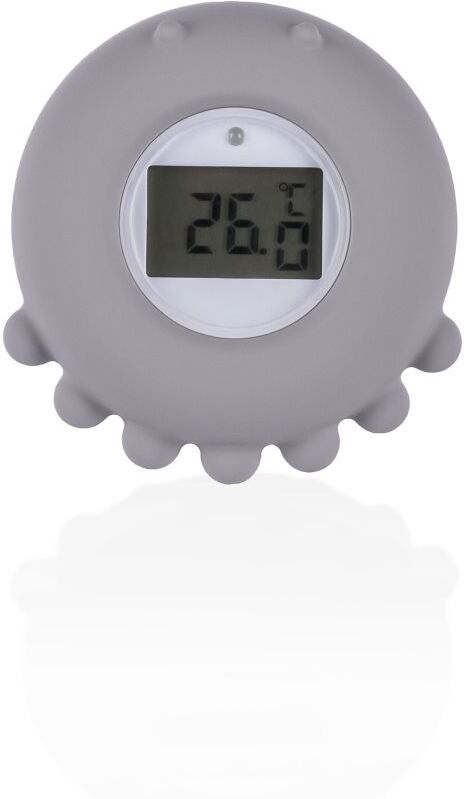
Zopa Silicone Digital Thermometer 2in1 thermomètre digital pour baignoire Dove Grey 1 pcsZopa Silicone Digital Thermometer 2in1, 1 pcs, Thermomètres de bain pour enfants pour enfant, Assurez-vous que l'eau du bain est à la bonne température pour votre bébé. Le thermomètre de bain pour bébé Zopa Silicone Digital Thermometer 2in1 vous y aidera au quotidien. Le produit : aide à déterminer la bonne température de l'eau du bain flotte à la surface de l'eau sans danger numérique échelle facile à lire11,61 €*Shipping: 3,45 €Secure redirect to the provider
-
Which tenses exist in Swiss German where there are only two tenses?
In Swiss German, the two tenses that exist are the present tense and the past tense. The present tense is used to describe actions that are currently happening or habitual actions, while the past tense is used to talk about actions that have already occurred. Swiss German does not have a separate future tense, as the present tense can also be used to express future actions. **
-
What are the English tenses?
The English language has 12 tenses, which are divided into three main categories: past, present, and future. Each category has four tenses: simple, continuous, perfect, and perfect continuous. The simple tenses refer to actions that are completed at a specific time, the continuous tenses refer to actions that are ongoing or in progress, the perfect tenses refer to actions that are completed before a specific time, and the perfect continuous tenses refer to actions that started in the past and are still ongoing. Understanding these tenses is essential for effective communication in English. **
-
What are the French tenses?
The French language has several tenses, including the present, past, and future tenses. The present tense is used to talk about actions happening in the present or habitual actions. The past tense is used to talk about completed actions in the past, and it has several forms such as the passé composé and the imparfait. The future tense is used to talk about actions that will happen in the future. Additionally, French has other tenses such as the conditional and the subjunctive, which are used to express hypothetical or uncertain actions. **
-
How can one recognize tenses?
One can recognize tenses by looking at the verb in a sentence and identifying the time frame in which the action is taking place. For example, if the verb ends in "-ed" it is likely in the past tense, while if it ends in "-ing" it is likely in the present continuous tense. Additionally, the use of helping verbs such as "will" or "has" can indicate future or present perfect tenses, respectively. Understanding the context of the sentence and the time frame being referred to can also help in recognizing tenses. **
* All prices are inclusive of VAT and, if applicable, plus shipping costs. The offer information is based on the details provided by the respective shop and is updated through automated processes. Real-time updates do not occur, so deviations can occur in individual cases. ** Note: Parts of this content were created by AI.